
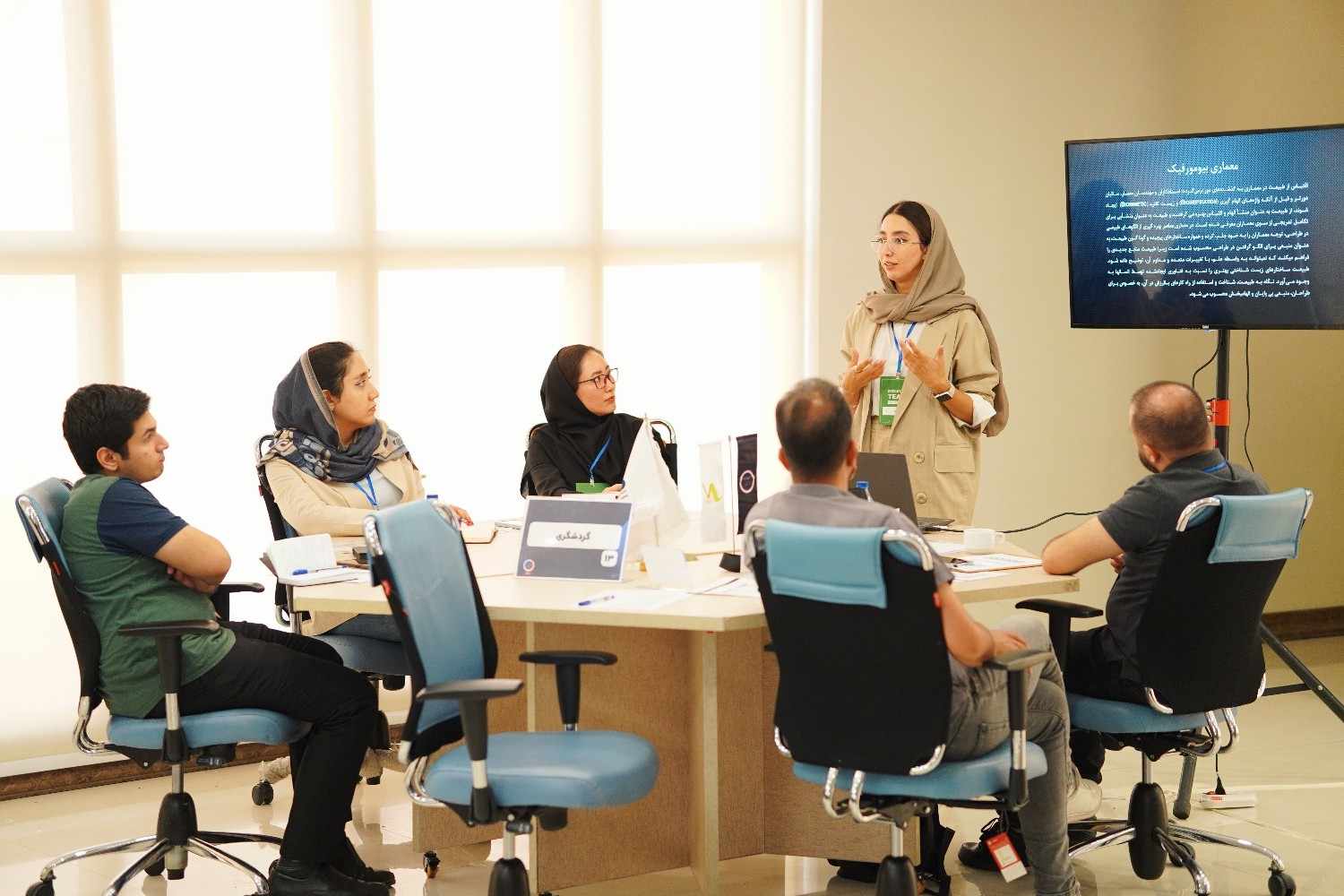
Choosing the right professional training course in Saudi Arabia comes down to six checks: your career goal, industry requirements, accreditation, practical learning, format and duration, and the training provider. This guide walks through each check, shows the courses available in each training area, and helps you match a course to your career stage.
Table of Contents
- Key Takeaways
- Why Professional Training Matters in Saudi Arabia
- Six Things to Check Before Choosing a Training Course
- Training Areas at a Glance
- Courses Available in Each Training Area
- How to Choose Based on Your Career Stage
- Professional Training vs Academic Education
- Why Train with Impact International?
- Frequently Asked Questions
- Conclusion
Key Takeaways
- Start with your career goal and what employers in your industry require.
- Check that the course is recognised by the right body: TVTC, OSHAS, IQ-OHS, the American Heart Association or the Saudi Heart Association.
- Choose hands-on training for practical skills such as CPR, working at heights and rigging.
- Match the format and duration to your schedule.
- Treat training as continuous: safety and life support skills need regular refreshers.
Why Professional Training Matters in Saudi Arabia
Saudi Arabia’s labour market is changing through industrial growth, new technologies and economic diversification. Under Vision 2030, the Human Capability Development Program focuses on matching skills to labour market needs and supporting lifelong learning.
Professional training bridges the gap between what people study and what workplaces expect. It helps new workers become job-ready, keeps experienced staff up to date, and helps organisations meet safety and quality standards.
Six Things to Check Before Choosing a Training Course
1. Your Career Objective
Decide what you want from the training. A recent graduate may need job-ready skills, while an experienced professional may want to close a skill gap or prepare for a supervisory role. A clear goal makes shortlisting much easier.
2. Your Industry’s Requirements
Each industry values different skills. Hospitals need staff trained in life support and infection control. Construction and oil & gas sites need safety training such as Working at Heights, Confined Space Entry and H2S Awareness. Find out what employers in your field actually ask for.
3. Accreditation and Recognition
Not every certificate carries the same weight. Ask who awards the certificate and which body recognises the training:
- Technical and vocational training: the Technical and Vocational Training Corporation (TVTC), the Saudi government body for technical and vocational training.
- Safety training: occupational health and safety bodies such as OSHAS (Occupational Safety & Health American Society) and IQ-OHS (International Quality – Occupational Health and Safety Certifications).
- Life support training: the American Heart Association and the Saudi Heart Association, widely recognised by hospitals and clinics in the Kingdom.
Then confirm the certificate meets your employer’s or sector’s requirements.
4. Practical Learning
Training works best when you can apply what you learn. Look for demonstrations, hands-on practice and assessments based on real workplace situations, such as CPR on a manikin or a hazard-spotting exercise on a mock site.
5. Duration and Format
Some courses take a day or two, while others need longer structured learning. Hands-on skills like life support, rigging and forklift operation are best learned in person. Theory-based topics such as communication or time management suit online or hybrid delivery.
6. The Training Provider
A reliable provider clearly explains course objectives, entry requirements, assessment methods and certification. Also check trainer experience, learner support and whether the content reflects current industry practice.
Training Areas at a Glance
| Training Area | Skills Developed | Relevant Industries | Recognition |
|---|---|---|---|
| Health, Safety & Environment | Hazard identification, risk assessment, safe work procedures | Construction, oil & gas, manufacturing | OSHAS, IQ-OHS |
| Medical & Healthcare | BLS, CPR, AED, infection control, emergency response | Hospitals, clinics, workplaces with first aiders | American Heart Association, Saudi Heart Association |
| Technical & Industrial | Process safety, lifting operations, equipment handling | Industrial plants, engineering, logistics | TVTC |
| Management & Leadership | Team management, delegation, decision-making | Corporate, administration, business | Provider certificate |
| Professional Development & Soft Skills | Communication, customer service, critical thinking | All industries | Provider certificate |
Most organisations need a mix. A hospital, for example, needs life support training for clinical staff, leadership skills for ward supervisors and communication skills for front-desk teams.
Courses Available in Each Training Area
Health, Safety & Environment (HSE)
Best for: construction, oil & gas, manufacturing and site-based roles.
- IOSH Managing Safely & Working Safely
- OSHA General Industry & Construction Safety
- H2S Awareness & HAZCOM
- Fire Safety & Fire Warden
- Confined Space Entry
- Working at Heights
- Lockout/Tagout (LOTO)
- Risk Assessment & Job Safety Analysis (JSA)
- Permit to Work (PTW)
- Defensive Driving
- Lifting, Rigging & Slinging Safety
Medical & Healthcare
Best for: hospital and clinic staff, first aiders and emergency response teams.
- Basic Life Support (BLS)
- First Aid / CPR / AED
- Pediatric First Aid
- Healthcare Safety
- Infection Prevention & Control
- Patient Safety
- Emergency Response & Incident Stabilization
- Workplace First Aid
- Advanced Healthcare Response
Technical & Industrial
Best for: operators, technicians and supervisors in industrial plants and heavy-lifting operations.
- Industrial Safety
- Process Safety Management (PSM)
- Scaffolding Construction & Inspection Safety
- Crane & Rigging Operations
- Heavy Lifting Safety
- Forklift Operator Safety
- Material Handling
Professional Development & Soft Skills
Best for: freshers, customer-facing staff, trainers and anyone preparing for a bigger role.
- Train the Trainer (TOT)
- Business Communication
- Presentation Skills
- Time Management & Productivity
- Personal Development
- Customer Service Excellence
- Client Relationship Management
- Workplace Ethics
- Critical Thinking & Problem Solving
Management & Leadership
Best for: supervisors, team leaders and managers who lead teams, delegate work and make decisions.
Tip: Match the course to your actual job tasks. A site supervisor may need Risk Assessment & JSA and Permit to Work, a crane crew needs Crane & Rigging Operations, and an office team may only need First Aid / CPR / AED and Fire Safety.
How to Choose Based on Your Career Stage
| Career Stage | Focus On | Example Courses |
|---|---|---|
| Students and recent graduates | Job-ready basics and workplace confidence | First Aid / CPR / AED, Business Communication, Critical Thinking & Problem Solving |
| Working professionals | Closing a specific skill gap | Working at Heights, Confined Space Entry, Process Safety Management (PSM) |
| Supervisors and managers | Leading teams and managing risk | Management & Leadership, Risk Assessment & JSA, Permit to Work |
| Organisations and employers | Safety, compliance and productivity across teams | Customised programmes combining HSE, Medical and Soft Skills |
Professional Training vs Academic Education
| Comparison | Academic Education | Professional Training |
|---|---|---|
| Focus | Theoretical knowledge | Practical, job-related skills |
| Approach | Structured curriculum | Skill-focused learning and practice |
| Duration | Generally longer | From one-day courses to extended programmes |
| Outcome | Degrees and academic progression | Professional competence and certification |
| Audience | School and university learners | Students, graduates and working professionals |
The two work together. A degree builds the knowledge foundation, and professional training adds the skills a specific role requires.
Why Train with Impact International?
Impact International Training Institute in Dammam offers professional, technical and industry-focused training for individuals and organisations.
- Recognised training: approvals and affiliations with the Technical and Vocational Training Corporation (TVTC), OSHAS, IQ-OHS, the American Heart Association and the Saudi Heart Association.
- Five training areas: Health, Safety & Environment, Medical & Healthcare, Technical & Industrial, Management & Leadership, and Professional Development & Soft Skills.
- Flexible delivery: on campus, online and hybrid, with customised programmes for corporate teams.
- A complete process: from understanding your training needs to designing, delivering and reviewing the outcomes (see Our Services).
Frequently Asked Questions
Which training course is best for freshers in Saudi Arabia?
There is no single best course. Freshers usually start with First Aid / CPR / AED, communication and critical thinking, then specialise based on their industry, for example HSE courses for construction or oil & gas.
How do I know if a training certificate is recognised?
Ask who awards the certificate and which body recognises the training, such as TVTC, OSHAS, IQ-OHS, the American Heart Association or the Saudi Heart Association. Then check it meets your employer’s requirements.
Is OSHAS the same as OSHA?
No. OSHAS (Occupational Safety & Health American Society) is a safety certification body. OSHA is the US government agency whose standards form the basis of OSHA General Industry and Construction Safety courses.
Is online training as effective as classroom training?
It depends on the subject. Theory-based topics work well online, while practical skills such as CPR, rigging or working at heights are best learned hands-on.
How often should I refresh my training?
Safety and life support skills benefit from regular refreshers, and many certificates have a validity period. Check the expiry date on your certificate and renew it before it lapses.
Conclusion
The right training course is not the most popular or the shortest one. It is the one that fits your goals, meets your industry’s requirements, is backed by a recognised body and teaches skills you can use at work. As Saudi Arabia continues to invest in workforce development under Vision 2030, continuous learning remains a smart investment for individuals and organisations in Dammam and across the Kingdom.
Build relevant skills. Strengthen your capabilities. Take the next step with Impact International.
Contact Impact International to discuss your training requirements or to plan a customised programme for your team.
Related Readings
- Building a Safer Workplace Through Health, Safety & Environment Training: how safety awareness becomes everyday habit.
- Developing Stronger Leaders Through Management & Leadership Training: communication, team development and decision-making for managers.
- Connecting Knowledge with Practice Through Technical & Industrial Training: linking technical theory with workplace practice.
- Our Services: corporate training, career advisory and HR consultancy.
- Accreditations & Affiliations: the approvals and affiliations behind Impact’s training.